

.png)
.png)

.png)
114%
of Annual Savings Goal Achieved in Year One
8600
Webite Leads Generated in the First Nine Months
91%
Customer Satisfaction Score
THE STORY
This community-focused municipal utility provides natural gas service to more than 800,000 customers and electric service to more than 340,000 customers. With a long-standing commitment to innovation and local engagement, the utility offers a broad mix of energy efficiency, demand response, and solar programs to help customers manage energy use and costs.
As participation grew and offerings expanded, the utility recognized the need for a more integrated approach to residential program delivery. To streamline engagement and better serve customers, the utility partnered with Franklin Energy to implement and manage its full residential portfolio.
THE GOAL
Franklin Energy set out to increase residential participation across energy efficiency and demand response programs while reducing customer confusion caused by fragmented offerings. The objective was to simplify how customers discovered, understood, and engaged with available programs, creating a clearer, more intuitive experience.
THE SOLUTION AND RESULTS
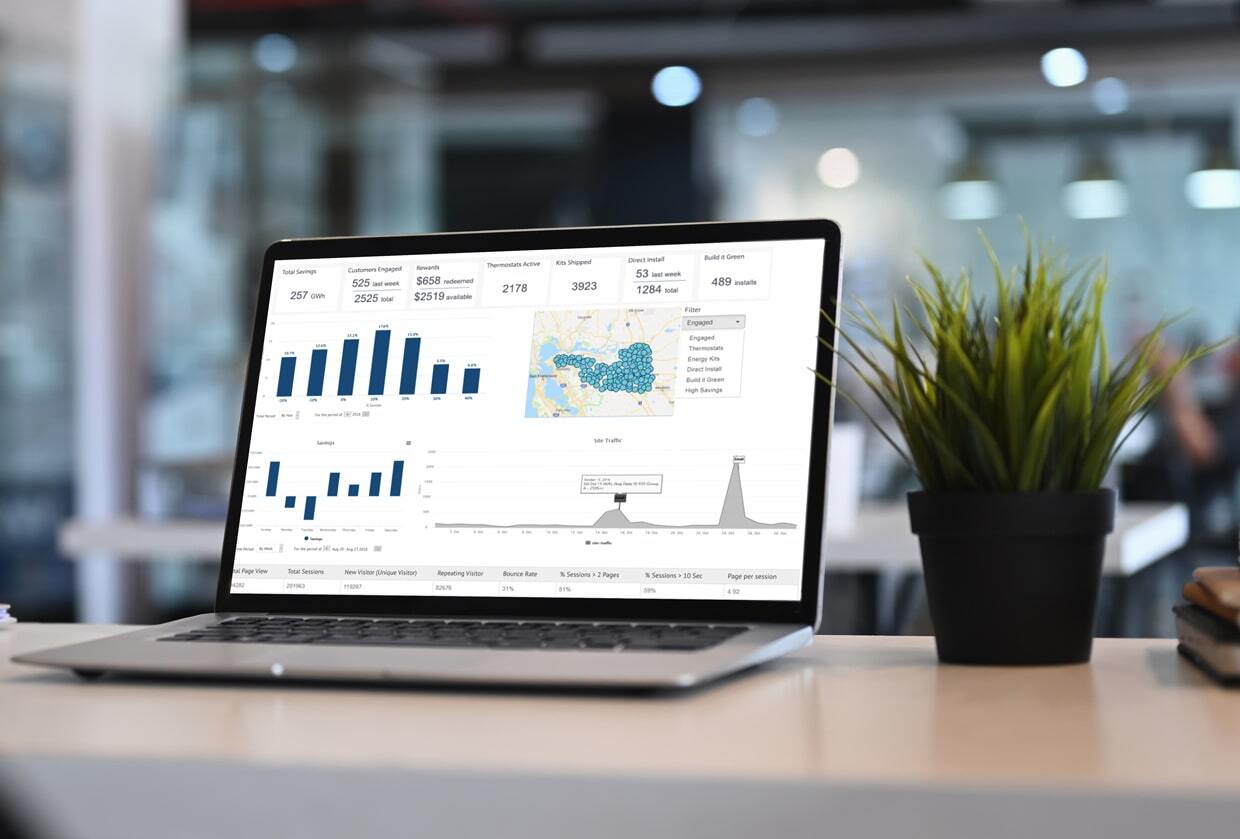
Franklin Energy delivered a portfolio-level solution designed to simplify participation and improve the customer experience. Rather than launching individual programs, all residential offerings were unified under a single brand—creating one clear entry point for customers and a more consistent experience across programs.
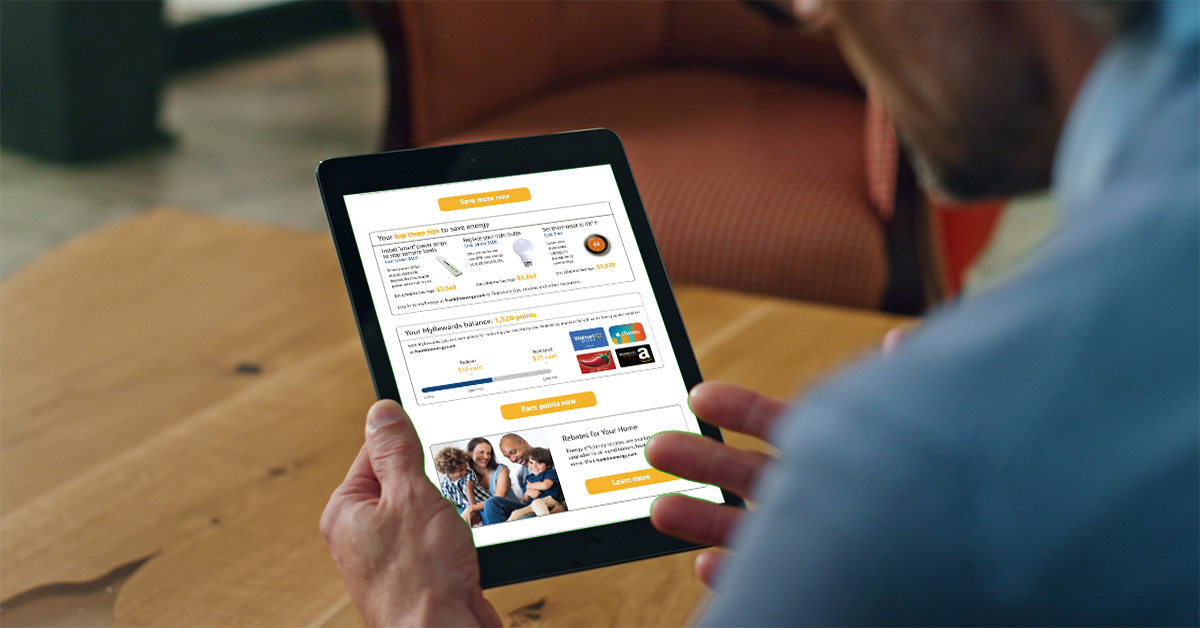
The portfolio was supported by coordinated outreach, including a dedicated website, a quarterly newsletter, integrated marketing materials, and an active social media presence. To ensure all customers had a way to participate, Franklin Energy expanded offerings to include water- and energy-saving kits for customers who did not qualify for in-home assessments, lowering barriers and broadening reach.
By the end of year one, Franklin Energy completed 2,913 home energy assessments, delivered 8,287 home energy kits, processed 7,354 rebate projects, and served 8,416 multifamily units—demonstrating how a coordinated, portfolio-level approach can drive participation and build a stronger customer connection.